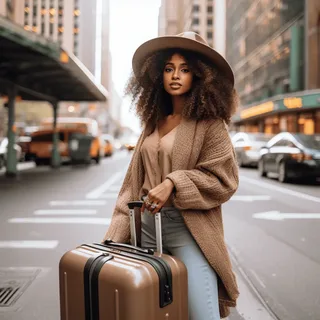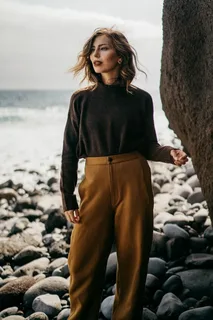

Fashion has a habit of looking backward whenever it wants to move forward. One decade it’s oversized tailoring inspired by the 1980s. The next, it’s low-rise denim and tiny shoulder bags straight out of the early 2000s. Few trends have returned with as much force as Y2K fashion, and brands have noticed that today’s shoppers aren’t simply buying clothes. They’re buying memories, aesthetics, and a version of an era they either lived through or wish they had.
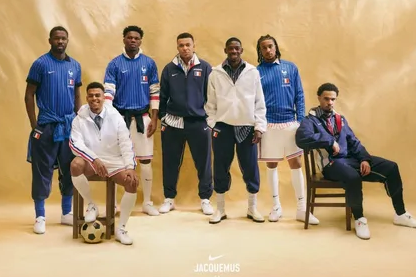
That’s exactly why the Jacquemus x Nike World Cup collaboration feels so timely. It doesn’t rely on loud branding or obvious football merchandise. Instead, it blends sleek sportswear with nostalgic details that remind people of football culture during the early 2000s, when metallic sneakers, fitted track jackets, tiny athletic shorts, and colorful training gear dominated both stadiums and street style. For Gen Z, it’s a fresh aesthetic. For millennials, it’s a familiar one wearing a modern face.
The collaboration also arrives at a moment when football and fashion have become inseparable. Stadium tunnels resemble runway shows, athletes front luxury campaigns, and limited-edition sportswear collections often disappear faster than concert tickets. Jacquemus and Nike understand that today’s consumer wants more than performance apparel. They want clothing that feels collectible.
Why Y2K Fashion Refuses to Fade Away
Fashion trends rarely return in exactly the same form. Designers borrow familiar ideas, simplify them, improve the proportions, and present them to a new generation. Y2K style has survived because it represents optimism, experimentation, and playful self-expression. Those qualities resonate with younger consumers looking for alternatives to minimalist wardrobes.
The early 2000s also marked a period when football culture became increasingly global. Sportswear wasn’t limited to athletes anymore. Tracksuits, football jerseys, technical jackets, and trainers became everyday fashion pieces. That crossover laid the foundation for today’s luxury sportswear movement.
Several elements continue defining modern Y2K fashion:
- Slim athletic silhouettes.
- Metallic footwear.
- Lightweight track jackets.
- Bold color accents.
- Technical fabrics.
- Compact crossbody bags.
- Retro-inspired sneakers.
- Minimal yet recognizable logos.
Jacquemus Has Mastered the Art of Making Simplicity Feel Luxurious
Few designers understand restraint quite like Simon Porte Jacquemus. His collections often rely on clean lines, refined tailoring, and Mediterranean-inspired color palettes instead of excessive decoration. That design philosophy has helped Jacquemus become one of the most recognizable names in modern luxury fashion.
Partnering with Nike gives the brand access to an entirely different audience. Sneaker enthusiasts, football fans, and younger shoppers who may not regularly buy luxury fashion suddenly become potential customers. Instead of diluting the Jacquemus identity, the collaboration introduces it through products people can wear every day.
The partnership combines the strengths of both brands.
| Jacquemus | Nike |
| Luxury design | Sports performance expertise |
| Fashion credibility | Global athletic influence |
| Minimalist aesthetic | Technical innovation |
| Premium storytelling | Worldwide distribution |
| High-fashion appeal | Mass-market recognition |
The World Cup Makes the Timing Almost Perfect
Major sporting events have become launchpads for fashion collaborations because they already command worldwide attention. During the FIFA World Cup, consumers are thinking about football whether they’re watching matches, scrolling through social media, or shopping for tournament-inspired clothing.
Rather than producing another collection covered in oversized logos and national flags, Jacquemus and Nike focus on style first. Football serves as the inspiration instead of the entire identity. That subtle approach gives the pieces much longer life beyond the tournament itself.
The collaboration benefits from World Cup excitement because:
- Football dominates global conversations.
- Athlete style receives unprecedented attention.
- Sportswear demand naturally increases.
- Social media amplifies every product launch.
- Limited editions create urgency.
- Fashion editors actively cover tournament-inspired collections.
Why Gen Z Connects With Nostalgia They Didn’t Even Experience
One of the most fascinating aspects of fashion today is that nostalgia isn’t limited to people who lived through a particular era. Many Gen Z consumers embrace Y2K trends despite being too young to remember the original period. Social media has effectively recreated the early internet, making old aesthetics feel new again.
Platforms like TikTok have introduced vintage runway clips, celebrity paparazzi photos, football highlight reels, and magazine editorials to millions of younger users. As a result, the early 2000s have become less of a historical period and more of a visual language that brands can reinterpret.
Gen Z’s fascination with Y2K comes from several sources:
- Vintage fashion content.
- Celebrity archive accounts.
- TikTok styling videos.
- Football culture.
- Music videos from the early 2000s.
- Resale platforms promoting vintage sportswear.
Every Piece Is Designed to Work Beyond the Stadium
One reason collaborations succeed is versatility. Consumers are becoming more selective about purchases, especially in premium price ranges. They want garments that work across different situations rather than clothing reserved for special occasions.
The Jacquemus x Nike collection appears to understand this shift. Pieces feel athletic enough for casual wear while remaining refined enough for travel, city life, or everyday styling. That flexibility increases perceived value and encourages shoppers to see the collection as an investment rather than a novelty.
Items expected to attract the most attention include:
- Cropped track jackets.
- Tailored sports trousers.
- Premium training shorts.
- Minimalist sneakers.
- Lightweight outerwear.
- Crossbody bags.
- Performance-inspired tops.
Scarcity Is Still the Most Powerful Marketing Tool in Fashion
Luxury collaborations succeed because they’re difficult to own. Consumers know that once a limited collection sells out, there’s a good chance it won’t return. That sense of urgency encourages quick decisions and creates excitement long before launch day. By the time the first products become available, demand has often been building for weeks through teaser campaigns, celebrity sightings, and carefully timed social media posts.
Jacquemus and Nike understand this strategy well. Neither brand floods the market with endless inventory during a collaboration. Instead, they release carefully selected pieces that feel exclusive without becoming impossible to wear. The balance is important. Customers want something special, but they also want clothing that fits naturally into their everyday wardrobe instead of feeling like a collector’s item locked away in a closet.
Limited drops usually succeed because they create:
- Higher demand than supply.
- Stronger social media conversations.
- Faster purchasing decisions.
- Greater resale interest.
- Increased media coverage.
- Long-term collectible appeal.
The Resale Market Will Move Almost Immediately
One predictable part of every high-profile collaboration is the speed at which products appear on resale platforms. Some buyers genuinely love the collection, while others see it as an investment. Within hours of launch, sought-after sneakers, jackets, and accessories often appear online at significantly higher prices.
The Jacquemus x Nike collaboration is likely to follow that pattern. It combines two brands with loyal audiences, arrives during one of the biggest sporting events in the world, and taps into one of fashion’s strongest trends. Those three factors create exactly the kind of demand that fuels the resale economy.
Here’s how the typical product cycle unfolds:
| Stage | What Happens |
| Teaser Campaign | Sneak peeks build anticipation across social media. |
| Official Reveal | Fashion publications and influencers begin coverage. |
| Launch Day | Popular sizes and colors sell out quickly. |
| Resale Listings | Products appear on resale platforms, often above retail price. |
| World Cup Buzz | Demand stays strong throughout the tournament. |
| Long-Term Value | Rare pieces may become collectible after production ends. |
Football Culture Is Becoming Luxury Fashion’s Favorite Inspiration
Luxury fashion once borrowed most heavily from art, music, and cinema. Football has now joined that list. Stadium arrivals resemble runway shows, players regularly attend Fashion Week, and sportswear has become central to modern luxury collections.
The appeal is easy to understand. Football reaches audiences across generations and cultures. Unlike many fashion trends that remain concentrated in specific cities, football has global relevance. A collaboration inspired by the World Cup can connect with consumers in Europe, Asia, North America, South America, Africa, and the Middle East almost simultaneously.
Brands continue investing in football-inspired collections because they:
- Reach worldwide audiences.
- Connect with younger consumers.
- Generate organic social media engagement.
- Blend sport with luxury lifestyle.
- Encourage celebrity partnerships.
- Keep collections culturally relevant.
Why Minimal Branding Feels More Premium
One noticeable trend across luxury sportswear collaborations is the move away from oversized logos. Instead of relying on obvious branding, designers increasingly use subtle embroidery, refined silhouettes, premium materials, and thoughtful construction to communicate quality.
Jacquemus has built much of its reputation on this understated approach. The Nike partnership continues that philosophy by allowing the clothing to stand out through design rather than excessive branding. Ironically, the less obvious the logo becomes, the more desirable the product often feels.
Design choices that create a premium appearance include:
- Tonal color palettes.
- Clean tailoring.
- High-quality fabrics.
- Minimal branding.
- Sophisticated proportions.
- Carefully designed hardware and trims.
What Other Fashion Brands Can Learn From This Collaboration
The success of collaborations like Jacquemus x Nike isn’t based on celebrity endorsements alone. It comes from understanding culture. The collection doesn’t chase every trend at once. Instead, it combines nostalgia, football, luxury, and everyday practicality into a story that feels believable.
Many brands struggle because they react too quickly to social media trends without building a clear identity. Jacquemus has remained consistent for years, while Nike continues evolving without abandoning its athletic heritage. Together, they create a collaboration that feels authentic rather than manufactured.
Lessons fashion businesses can take away include:
- Collaborate with brands that share compatible values.
- Focus on timeless design over temporary hype.
- Build anticipation before launch.
- Create products people will wear beyond one season.
- Tell a story instead of simply releasing merchandise.
- Maintain quality even in limited collections.
Will Y2K Fashion Still Matter After the World Cup?
Fashion trends always evolve, but some leave a lasting influence because they reshape how people dress rather than simply introducing a temporary aesthetic. Y2K fashion appears to belong in that category. While certain details will eventually fade, its relaxed approach to sportswear, vintage influences, and playful styling has already become part of modern fashion.
The Jacquemus x Nike collaboration captures that shift perfectly. It borrows from the past without becoming trapped by it. Instead of recreating early 2000s clothing piece for piece, it updates familiar ideas for a generation that values versatility, comfort, and individuality just as much as nostalgia.
Frequently Asked Questions
1. Why is the Jacquemus x Nike collaboration receiving so much attention?
The collaboration combines luxury fashion, premium sportswear, World Cup excitement, and Y2K-inspired design, making it appealing to both fashion enthusiasts and football fans.
2. What makes Y2K fashion popular with Gen Z?
Social media, vintage fashion content, celebrity archives, and the growing popularity of early 2000s aesthetics have introduced Y2K style to a generation that enjoys nostalgic fashion despite not experiencing the era firsthand.
3. Will the collection sell out quickly?
Limited-edition collaborations between major brands often experience strong demand, especially when released during globally significant events like the FIFA World Cup.
4. Are these pieces designed only for football fans?
No. The collection focuses on wearable luxury sportswear that works well beyond match days, making it suitable for everyday styling, travel, and casual wardrobes.
5. Why do fashion brands keep collaborating with sports companies?
Sports brands provide global reach, cultural relevance, and younger audiences, while luxury designers add creativity, exclusivity, and premium storytelling. Together, they create products with broad appeal.
Conclusion:
The Jacquemus x Nike World Cup collaboration proves that the strongest fashion partnerships don’t rely on loud logos or short-lived trends. By blending football culture, refined sportswear, and Y2K nostalgia into a thoughtfully designed collection, it creates pieces that feel just as relevant after the final whistle as they do during the tournament itself.
Call to Action
If you’re planning to add one of these pieces to your wardrobe, keep an eye on launch dates and official retailers because limited collections rarely stay available for long. More importantly, choose the items you’ll continue wearing long after the excitement fades. Great collaborations earn their place through lasting style, not just the hype surrounding release day.