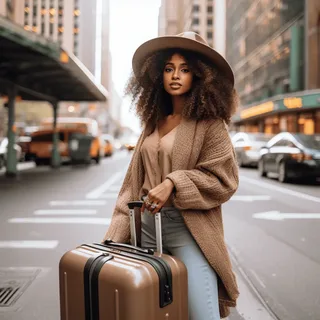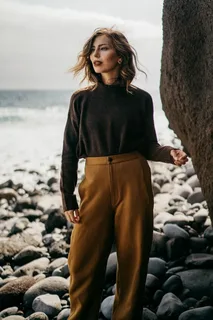

Luxury used to have a fairly simple formula. A fashion house designed beautiful clothing, crafted iconic handbags, launched a fragrance or two, and welcomed loyal customers into elegant boutiques. The relationship revolved around products. If you admired the brand, you bought something tangible and took a small piece of that world home with you.
That model is changing.
Today, the world’s biggest fashion houses aren’t satisfied with living inside wardrobes alone. They want to become part of your daily rituals, your travel experiences, your self-care habits, and even the places where you unwind. The goal is no longer to sell a dress or a perfume. It’s to create a lifestyle that customers want to step into.
Few brands illustrate this shift better than Dior. Through its growing collection of luxury spas, wellness retreats, and beauty destinations, the French fashion house has expanded beyond fashion into experiences designed to make people feel immersed in the Dior universe. A facial, massage, or wellness treatment now carries the same branding, storytelling, and attention to detail as one of the label’s couture collections.
This evolution says something much bigger about luxury itself. Modern consumers, particularly younger generations, are increasingly drawn to experiences that make them feel connected to a brand rather than simply dressed by it. For fashion houses, wellness has become one of the most powerful ways to build that connection.
Luxury Is No Longer Just Something You Wear
For decades, luxury branding focused on ownership. Success was often measured by what someone carried, wore, or displayed.
Today’s definition feels much broader.
Many consumers now value memorable experiences just as much as physical products. A weekend at a wellness retreat, a carefully designed spa ritual, or a beautifully curated café can create stronger emotional memories than another purchase sitting in a wardrobe.
Fashion brands have noticed.
Instead of asking, “How do we sell another handbag?” many now ask, “How do we become part of our customer’s lifestyle?”
That question has transformed the luxury industry.
Traditional luxury vs lifestyle luxury
| Traditional Luxury | Lifestyle Luxury |
| Products | Experiences |
| Seasonal collections | Everyday rituals |
| Shopping trips | Wellness journeys |
| Boutique visits | Community and hospitality |
| Ownership | Emotional connection |
The product still matters, but the experience surrounding it has become just as valuable.
Why Fashion Brands Are Investing in Wellness
Wellness has become one of the fastest-growing lifestyle industries, touching everything from fitness and nutrition to mindfulness, hospitality, and skincare.
For luxury brands, this creates a natural opportunity.
Fashion already influences how people feel about themselves. Wellness focuses on helping people feel their best. The connection between the two is surprisingly strong.
Instead of competing only within fashion, luxury houses are expanding into spaces where customers already spend time.
Common wellness ventures include:
- Luxury spas.
- Beauty treatment suites.
- Wellness cafés.
- Meditation experiences.
- Fitness collaborations.
- Luxury hotels.
- Holistic skincare programs.
These experiences encourage longer, more meaningful interactions than traditional shopping ever could.
What Makes Dior Spas Different?
A luxury spa isn’t unusual.
A Dior spa is designed to feel unmistakably Dior from the moment a guest arrives.
Every detail reflects the brand’s identity, from the architecture and interiors to the fragrances, treatment rituals, uniforms, and product selection.
Rather than feeling like a separate business, the spa extends the fashion house into a completely different environment.
Elements often found in Dior Spa experiences
| Feature | Purpose |
| Elegant interiors | Reinforce the brand identity |
| Signature fragrances | Create sensory recognition |
| Luxury skincare | Connect beauty with fashion |
| Personalized treatments | Build exclusivity |
| Quiet surroundings | Encourage relaxation |
| Premium hospitality | Strengthen emotional connection |
Guests aren’t simply booking a massage.
They’re stepping inside the Dior world.
Selling a Feeling Instead of a Product
One reason luxury wellness has become so successful is that feelings are often remembered longer than purchases.
A handbag may eventually show signs of wear.
A memorable spa experience can remain vivid for years.
Luxury brands understand this psychological shift.
Experiences create stories.
Stories create emotional attachment.
Emotional attachment creates loyalty.
This is why wellness has become such a valuable branding tool.
Instead of saying, “Our products are luxurious,” brands invite customers to experience luxury firsthand.
The Rise of Experiential Luxury
Across multiple industries, consumers are increasingly choosing experiences over possessions.
Travel has become more meaningful than collecting souvenirs.
Dining has become about atmosphere as much as food.
Fashion is following the same path.
Luxury experiences now include:
- Fashion exhibitions.
- Wellness retreats.
- Hotel collaborations.
- Designer cafés.
- Interactive pop-up events.
- Exclusive beauty services.
These experiences often generate far more conversation on social media than traditional advertising campaigns.
People naturally enjoy sharing memorable moments.
How Wellness Strengthens Brand Loyalty
Buying a handbag may create a transaction.
Spending an afternoon inside a beautifully designed wellness space creates a relationship.
That’s an important distinction.
The longer someone spends interacting with a brand, the stronger the emotional connection often becomes.
Why wellness experiences encourage loyalty
- Longer customer visits.
- Stronger emotional memories.
- Personal interactions.
- Multi-sensory environments.
- Opportunities for repeat visits.
- Higher perceived value.
Luxury is becoming less about collecting possessions and more about collecting meaningful experiences.
The Influence of Wellness on Younger Consumers
Millennials and Gen Z are changing the luxury market in noticeable ways.
Many younger shoppers value experiences that align with their personal values and lifestyle rather than simply displaying status.
They often appreciate:
- Mindful living.
- Quality over quantity.
- Self-care routines.
- Beautiful environments.
- Authentic storytelling.
- Purpose-driven brands.
Fashion houses entering wellness speak directly to these interests.
Instead of asking customers to admire luxury from a distance, they invite them to participate in it.
Beyond Fashion: How Dior Is Building a Lifestyle Ecosystem
Luxury brands once relied on seasonal collections to keep customers engaged. Today, many are creating ecosystems where people interact with the brand throughout the year, even when they aren’t shopping for clothing.
Dior is a strong example of this approach. Alongside haute couture and accessories, the brand has expanded into beauty, fragrance, fine jewelry, hospitality, cafés, exhibitions, and wellness. Each experience reinforces the same identity, making the brand feel like part of a lifestyle rather than an occasional purchase.
This strategy creates more touchpoints and keeps the relationship alive between fashion seasons.
How different experiences strengthen the brand
| Experience | What It Adds |
| Fashion boutiques | Product discovery and craftsmanship |
| Beauty counters | Everyday interaction with the brand |
| Fragrances | Emotional memories through scent |
| Dior Spas | Wellness and relaxation |
| Fashion exhibitions | Brand storytelling |
| Luxury hospitality partnerships | Travel experiences tied to the brand |
Instead of existing in one category, Dior surrounds customers with a consistent world built around elegance and refinement.
Why Design Matters in Luxury Wellness
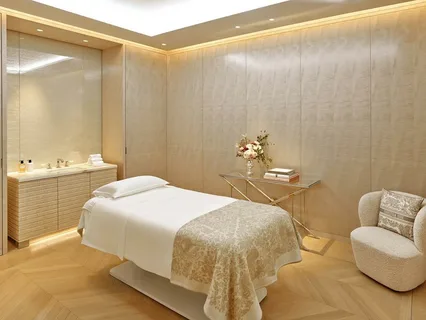
Luxury spas aren’t memorable because of treatments alone. The physical environment plays an equally important role.
Lighting, music, textures, fragrance, architecture, and even the pace of the experience influence how visitors feel.
Dior applies the same attention to detail found in its fashion collections to its wellness spaces. Every room is designed to communicate calm, sophistication, and exclusivity without feeling overwhelming.
Elements that shape the guest experience
- Soft, neutral color palettes.
- Carefully selected materials such as marble, wood, and natural stone.
- Signature scents throughout the space.
- Comfortable treatment rooms.
- Personalized consultations.
- Quiet, uncluttered interiors.
- Thoughtfully designed waiting areas.
Luxury branding works best when every detail tells the same story.
The Power of Multi-Sensory Branding
People rarely remember brands through visuals alone.
Think about the scent of a favorite perfume, the sound inside a luxury boutique, or the feeling of high-quality fabric. These sensory experiences create memories that last much longer than advertisements.
Luxury wellness spaces allow brands to engage all five senses at once.
Sensory branding in action
| Sense | Brand Experience |
| Sight | Elegant interiors and signature design |
| Sound | Soft music and calming acoustics |
| Smell | Signature fragrances and skincare aromas |
| Touch | Premium fabrics, towels, and skincare textures |
| Taste | Herbal teas, infused water, or curated refreshments |
The more senses involved, the more memorable the experience becomes.
What Other Luxury Fashion Houses Can Learn
Dior’s move into wellness isn’t simply about adding another revenue stream. It reflects a broader understanding of how customer expectations have changed.
Modern consumers want meaningful experiences, not endless products.
Fashion brands looking to build stronger loyalty can learn several valuable lessons.
Key takeaways
- Build relationships instead of one-time transactions.
- Create memorable experiences alongside products.
- Maintain a consistent identity across every customer touchpoint.
- Invest in storytelling as much as merchandise.
- Focus on quality over constant expansion.
- Design spaces that people genuinely enjoy spending time in.
These principles apply to brands at every price point, not just luxury labels.
Is Luxury Wellness Worth the Price?
Luxury wellness experiences often come with premium pricing, leading many people to wonder whether they’re truly worth the investment.
The answer depends on what someone is looking for.
If the goal is simply to receive a massage or facial, excellent treatments can be found at a wide range of price points.
Luxury wellness offers something different. Guests are paying for the complete experience, including the environment, hospitality, personalization, craftsmanship, and the emotional connection that comes with spending time inside a carefully curated brand world.
For some, that level of immersion makes the experience worthwhile. For others, quality local spas may provide everything they need without the luxury price tag.
The value isn’t found in the logo alone. It’s found in how much importance an individual places on the overall experience.
What the Future of Luxury Branding Looks Like
The line between fashion, hospitality, beauty, and wellness will likely continue to blur.
Rather than existing as separate industries, they’re becoming interconnected parts of the same lifestyle.
Future luxury brands may invest even more heavily in:
- Wellness retreats.
- Members-only experiences.
- Luxury residences.
- Boutique hotels.
- Mindfulness programs.
- Personalized beauty technology.
- Exclusive cultural events.
The brands that stand out won’t necessarily be the ones producing the most products. They’ll be the ones creating experiences people genuinely remember.
Frequently Asked Questions
1. Why has Dior expanded into wellness?
Dior has expanded into wellness to strengthen its lifestyle identity, offering immersive experiences that go beyond fashion while building deeper emotional connections with customers.
2. What makes Dior Spas different from regular luxury spas?
Dior Spas combine premium wellness treatments with the fashion house’s signature design, fragrances, skincare expertise, and brand storytelling, creating a distinctive luxury experience.
3. Why are fashion brands investing in experiences instead of only products?
Consumers increasingly value memorable experiences alongside physical products. Experiences encourage stronger emotional connections and long-term brand loyalty.
4. Is luxury wellness only for high-end customers?
Luxury wellness is positioned as a premium offering, but many of the ideas behind it, such as thoughtful design, personalized care, and relaxing environments, can inspire wellness experiences at every budget.
5. Will more fashion brands enter the wellness industry?
Many already have, and the trend is likely to continue as fashion houses look for new ways to connect with customers through beauty, hospitality, travel, and self-care.
Conclusion:
Dior Spas represent far more than an extension of a famous fashion house. They reflect a broader shift in how luxury is experienced, where emotional connection, thoughtful design, and memorable moments carry just as much value as beautifully crafted products. As fashion continues to move beyond the closet and into everyday rituals, the brands that succeed will be those that make people feel part of a story rather than simply another sale.
Call to Action
The next time you think about luxury, look beyond the label. Notice how brands create experiences through design, hospitality, wellness, and storytelling, then consider how those same principles can inspire your own lifestyle. Whether it’s organizing your home, building intentional routines, or investing in experiences that genuinely matter to you, true luxury often begins with how something makes you feel rather than what it costs.