
There was a time when workout clothes had one job. You wore them to the gym, changed out of them afterward, and rarely thought about them again. They weren’t expected to make a statement or fit seamlessly into the rest of your wardrobe. Comfort mattered, function mattered, and style usually came second.
Walk into a coffee shop today and you’ll see a different picture. Someone is answering emails in matching leggings and an oversized sweatshirt. Another person has just left a Pilates class and is meeting friends for lunch without changing clothes. A tailored coat layered over a sports bra and wide-leg leggings no longer looks unusual. The line between activewear and everyday fashion has become so blurred that many people no longer think about it at all.
Few brands have embraced this shift as successfully as Alo Yoga. What began as a premium activewear company has grown into something much bigger than clothing. Through wellness clubs, fitness experiences, cafés, social media, and carefully designed retail spaces, Alo has built a lifestyle that extends far beyond leggings and sports bras. Buying a hoodie or yoga set often feels like buying into a way of living.
That transformation says something important about modern fashion. People are no longer shopping only for clothes. They’re shopping for routines, communities, and identities that fit the lives they want to create.
Alo Yoga Is Selling More Than Activewear
At first glance, Alo Yoga looks like another premium athleisure brand. Its collections include leggings, sports bras, sweatshirts, jackets, and accessories designed for yoga and everyday movement. The clothing is clean, minimalist, and easy to style beyond the studio.
Look a little closer, though, and it becomes clear that the company isn’t simply selling garments. Every campaign tells a larger story. Images rarely focus only on the clothes. Instead, they feature peaceful homes, early morning workouts, healthy meals, meditation sessions, and bright, carefully curated spaces that feel calm and aspirational.
The product becomes one piece of a broader lifestyle rather than the entire experience.
That approach has helped Alo stand out because customers are buying into ideas such as:
- Daily movement instead of occasional exercise.
- Wellness as part of everyday life.
- Minimal wardrobes with versatile pieces.
- Self-care through consistent routines.
- Community built around shared interests.
- Fashion that supports multiple parts of the day.
This shift reflects a larger change happening throughout the fashion industry. Clothing is increasingly marketed as part of a lifestyle rather than an isolated product.
Why Athleisure Became Everyday Wear
The success of brands like Alo Yoga would have been difficult to imagine twenty years ago. Activewear was once associated almost exclusively with exercise. Wearing leggings outside the gym often attracted criticism or seemed overly casual.
Several lifestyle changes gradually reshaped those expectations.
Flexible work arrangements became more common. Fitness classes moved from traditional gyms into neighborhood studios. Wellness routines gained popularity through social media. Comfort became a higher priority, especially after millions of people spent extended periods working from home.
As daily schedules changed, wardrobes changed alongside them.
Modern consumers increasingly look for clothing that can move between different environments without requiring multiple outfit changes.
Athleisure appeals because it offers:
- Comfortable fabrics for all-day wear.
- Versatility between work and leisure.
- Minimal effort when styling outfits.
- Practical layering options.
- Easy maintenance.
- Contemporary silhouettes that suit casual lifestyles.
The result is clothing that feels equally appropriate for grocery shopping, travel, casual meetings, or an evening walk.
The Wellness Club Concept Explained
One of Alo Yoga’s most distinctive ideas is expanding beyond retail into wellness experiences. Instead of relying only on stores or online shopping, the brand creates spaces and events where movement, mindfulness, and community become part of the customer experience.
This strategy changes the relationship between brand and consumer. Instead of interacting only during a purchase, people engage through classes, workshops, wellness events, and shared routines.
These experiences encourage long-term loyalty because customers associate the brand with positive habits rather than individual products.
Elements commonly connected to the wellness club concept include:
- Yoga classes.
- Meditation sessions.
- Community fitness events.
- Healthy cafés and refreshments.
- Wellness workshops.
- Mindfulness practices.
- Lifestyle-focused retail spaces.
Rather than saying, “Buy these leggings,” the message becomes, “Join this lifestyle.”
Fashion Meets Wellness
Fashion and wellness were once treated as completely separate industries. One focused on appearance while the other emphasized physical and mental health. Today those boundaries are becoming much less defined.
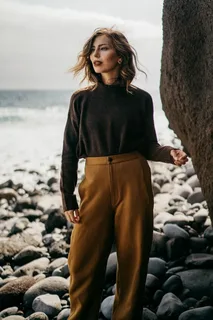
Consumers increasingly want clothing that supports how they feel, not just how they look. Soft fabrics, breathable materials, relaxed silhouettes, and versatile styling all contribute to a sense of comfort throughout the day.
This explains why wellness brands often succeed in fashion. They address emotional needs alongside practical ones.
Fashion now intersects with wellness through:
| Fashion Element | Wellness Connection |
| Comfortable fabrics | Physical ease during daily activities |
| Relaxed silhouettes | Freedom of movement |
| Neutral color palettes | Calm visual environments |
| Layering pieces | Adaptability throughout the day |
| Quality materials | Long-term wardrobe satisfaction |
| Minimal styling | Reduced decision fatigue |
These connections may seem subtle, but together they create a wardrobe that supports modern lifestyles rather than simply decorating them.
Why Alo Yoga Appeals Beyond the Gym
Many Alo customers rarely wear the brand exclusively for yoga. Instead, the clothing becomes part of everyday dressing because it adapts to different situations without feeling out of place.
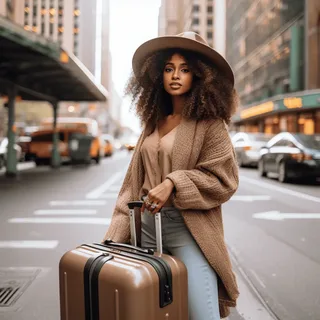
A pair of leggings may be styled with an oversized blazer for coffee meetings. A cropped sweatshirt works equally well during travel or weekend errands. Tennis skirts, bomber jackets, and knitwear extend the brand’s reach beyond fitness entirely.
This flexibility reflects changing expectations around clothing. Modern wardrobes increasingly prioritize pieces that perform multiple roles.
Popular everyday styling combinations include:
- Leggings with trench coats and sneakers.
- Sports bras layered beneath oversized shirts.
- Matching lounge sets for travel.
- Hoodies paired with tailored trousers.
- Knitwear mixed with performance fabrics.
- Tennis skirts styled for casual weekends.
The appeal isn’t only comfort. It’s reducing the need for constant outfit changes throughout busy days.
Social Media Turned Wellness Into a Visual Lifestyle
One reason Alo Yoga has become so recognizable is its strong visual identity. Scroll through social media and you’ll notice a consistent aesthetic: bright studios, minimalist interiors, early morning sunlight, neutral clothing, smoothie bowls, and peaceful workout spaces.
These images don’t simply advertise products. They sell a feeling.
For many followers, the content represents balance, discipline, and healthy living. Even people who never purchase the clothing may save workout routines, mindfulness videos, or wellness inspiration from the brand.
This strategy works because modern consumers often connect with stories before products.
Social media helps reinforce:
- Healthy daily routines.
- Aspirational yet approachable lifestyles.
- Consistent visual branding.
- Community engagement.
- Fashion integrated into everyday habits.
- Long-term customer relationships.
The clothing becomes one visible expression of a much larger lifestyle philosophy.
The Rise of Wellness Brands as Lifestyle Communities
People rarely stay loyal to a clothing brand because of fabric alone. They stay because the brand fits into their daily lives. That’s one of the biggest reasons wellness-focused fashion has grown so quickly.
Instead of simply asking customers to buy another hoodie or pair of leggings, brands like Alo Yoga create an ecosystem where clothing becomes one piece of a much bigger picture. You might discover the brand through a yoga class, follow its instructors on social media, watch guided meditation videos, visit a café after a workout, and only then decide to purchase an outfit.
That creates a stronger emotional connection than traditional retail.
Here’s how the customer journey often looks:
| Traditional Fashion Brand | Wellness Lifestyle Brand |
| See an advertisement | Discover wellness content |
| Visit the website | Join a class or event |
| Buy clothing | Follow fitness creators |
| Wear the product | Become part of the community |
| Purchase again if satisfied | Continue engaging even when not shopping |
The second journey builds habits instead of just transactions, and habits are much harder to replace than products.
Why People Want Fashion That Fits Their Lifestyle
Modern wardrobes are expected to do much more than they did a decade ago. One outfit may need to work for a morning walk, a video meeting, grocery shopping, lunch with friends, and an evening Pilates class.
Nobody wants to carry three outfit changes if they don’t have to.
This shift explains why fashion brands are paying closer attention to lifestyle rather than individual trends.
Consumers increasingly value clothing that is:
- Comfortable for long hours.
- Easy to layer.
- Suitable for travel.
- Machine washable.
- Stylish without feeling overdressed.
- Appropriate across multiple settings.
Instead of asking, “Does this outfit look good?” many shoppers now ask, “Can I actually live in this?”
Alo Yoga vs Traditional Activewear Brands
Not every sportswear brand follows the same strategy. Some focus primarily on athletic performance, while others build around everyday living.
Here’s a simplified comparison.
| Feature | Alo Yoga | Traditional Sportswear |
| Primary focus | Wellness lifestyle | Athletic performance |
| Everyday styling | High | Moderate |
| Community events | Yes | Limited |
| Meditation and mindfulness | Major focus | Rare |
| Fashion-forward collections | Frequent | Functional first |
| Retail experience | Lifestyle-oriented | Product-oriented |
| Social media | Wellness content + fashion | Sports and fitness |
Neither approach is better than the other. They simply serve different audiences.
The Influence of Celebrity Culture
Celebrity influence has always shaped fashion, but today’s partnerships feel more organic than traditional advertising.
Instead of appearing in polished magazine campaigns alone, celebrities are photographed leaving workout studios, grabbing coffee after yoga, or traveling in matching lounge sets. Those candid moments often generate more interest than formal fashion editorials.
Why does this work?
Because people aren’t just copying an outfit. They’re trying to recreate a lifestyle that appears balanced and effortless.
Celebrity wellness fashion usually includes:
- Matching workout sets.
- Oversized hoodies.
- Neutral sneakers.
- Structured tote bags.
- Baseball caps.
- Minimal jewelry.
- Everyday sunglasses.
The styling feels attainable, even if the clothing itself comes at a premium price.
The Psychology Behind Matching Activewear Sets
Matching workout sets have become one of the defining looks of modern athleisure.
On the surface, they seem like a simple fashion choice. Psychologically, though, they offer something more.
A coordinated outfit reduces decision-making while creating a polished appearance with minimal effort. It gives the impression that everything has been planned, even when getting dressed only took a few minutes.
People often choose matching sets because they:
- Save time.
- Feel put together instantly.
- Create visual balance.
- Photograph well.
- Mix easily with jackets and accessories.
- Transition from workouts to casual outings.
That combination of convenience and style explains why matching sets continue to dominate wellness fashion.
Can Wellness Fashion Become Too Exclusive?
Not everyone celebrates the rise of premium wellness brands.
One criticism is that wellness has increasingly become associated with expensive clothing, luxury gyms, designer water bottles, and aesthetically perfect lifestyles that aren’t accessible to everyone.
There’s some truth to that concern.
A healthy lifestyle doesn’t require premium leggings or membership-only wellness spaces. Walking outdoors, stretching at home, eating balanced meals, and building healthy routines are available in many forms and at different budgets.
It’s worth separating wellness itself from the products marketed alongside it.
Wellness habits that cost little or nothing
- Walking every morning.
- Home yoga using free online videos.
- Drinking enough water.
- Getting consistent sleep.
- Daily stretching.
- Reading instead of scrolling before bed.
- Spending time outdoors.
Fashion can support these habits, but it doesn’t create them.
Building the Wellness Look Without Spending a Fortune
One reason people admire brands like Alo Yoga is the clean, minimal aesthetic. Fortunately, that look is easier to recreate than many assume.
The focus should be on fit, color coordination, and quality basics rather than logos.
Wardrobe essentials for a wellness-inspired style
| Category | Essentials |
| Tops | Fitted tank, oversized sweatshirt, neutral T-shirt |
| Bottoms | Black leggings, wide-leg joggers, bike shorts |
| Outerwear | Lightweight zip jacket, trench coat, oversized blazer |
| Shoes | White sneakers, running shoes |
| Accessories | Tote bag, baseball cap, reusable water bottle |
Color palette ideas
- Black
- White
- Cream
- Taupe
- Olive
- Soft grey
- Chocolate brown
- Sage green
Neutral palettes make mixing outfits much easier while maintaining the calm aesthetic associated with wellness fashion.
Is This Lifestyle Here to Stay?
Fashion trends usually come and go. Lifestyle shifts tend to last much longer.
People may eventually move away from specific silhouettes or certain activewear styles, but the demand for versatile clothing isn’t disappearing anytime soon.
Several long-term habits support this movement:
- Hybrid work schedules.
- Growing interest in fitness.
- Casual dress codes.
- Travel-friendly wardrobes.
- Capsule wardrobes.
- Greater focus on comfort.
These changes suggest that wellness-inspired fashion isn’t simply another seasonal trend.
Lessons Every Fashion Brand Can Learn
Alo Yoga’s success offers valuable lessons beyond the activewear industry.
Brands that connect with people’s routines often build stronger loyalty than those focused only on products.
Key takeaways
- Sell a lifestyle, not just clothing.
- Build communities instead of audiences.
- Create experiences beyond shopping.
- Prioritize versatility.
- Make products fit real life.
- Tell stories that customers recognize.
People remember how a brand fits into their daily routine long after they forget a marketing campaign.
Frequently Asked Questions
1. What makes Alo Yoga different from other activewear brands?
Alo Yoga combines fashion, wellness, community events, mindfulness content, and premium activewear into a lifestyle-focused brand rather than concentrating only on workout clothing.
2. Is Alo Yoga only for yoga?
No. While yoga remains central to the brand’s identity, many customers wear its clothing for travel, casual outings, working from home, and everyday errands.
3. Why has athleisure become so popular?
Athleisure offers comfort, versatility, and style in one wardrobe, making it suitable for modern lifestyles that involve multiple activities throughout the day.
4. Can I create a wellness-inspired wardrobe on a budget?
Absolutely. Focus on versatile basics, neutral colors, comfortable fabrics, and quality over quantity rather than expensive brand names.
5. Is wellness fashion just another trend?
Certain styles will change over time, but the broader movement toward comfortable, multifunctional clothing appears to be a lasting shift in how people dress.
Conclusion:
Alo Yoga’s influence goes well beyond leggings and matching workout sets. It reflects a larger change in the relationship between fashion and everyday life, where clothing supports routines, wellness, and community instead of existing purely for appearance. Whether someone shops at Alo or builds a similar wardrobe from affordable basics, the appeal remains the same. People want clothes that move with them, simplify their mornings, and fit naturally into the lives they’re already trying to build.
Call to Action
Take a look at your own wardrobe this week and ask a simple question: does it support your lifestyle, or does it only fill your closet? You don’t need a luxury wellness brand to dress with intention. A handful of comfortable, versatile pieces that genuinely work for your daily routine can make getting dressed feel easier, more practical, and a lot more enjoyable.