
For decades, footballers were judged almost entirely by what happened on the pitch. Goals, assists, tackles, and trophies defined careers. What players wore while arriving at the stadium rarely attracted much attention beyond local newspapers or television broadcasts.
That has changed dramatically. During the FIFA World Cup 2026, arrival photos have become almost as anticipated as the matches themselves. Before a ball is kicked, social media is already debating oversized tailoring, luxury sneakers, vintage watches, designer luggage, and perfectly coordinated team arrivals. Some outfits generate millions of views before the opening whistle, proving that modern football is no longer just a sporting event. It’s also one of fashion’s biggest global stages.
The transformation didn’t happen overnight. Social media, luxury fashion, athlete branding, and changing fan expectations have gradually blurred the line between sports and style. Today’s football stars aren’t simply athletes. They’re ambassadors for luxury brands, founders of fashion labels, cover stars for magazines, and influencers with audiences that rival Hollywood celebrities.
Stadium Tunnels Have Become Fashion Runways
Basketball popularized the tunnel walk years ago, but football has quickly created its own version. Every arrival at a World Cup stadium is photographed from multiple angles before players even reach the dressing room. Those images spread across Instagram, TikTok, X, fashion blogs, and sports publications within minutes.
Players understand those cameras are part of the event now. Instead of arriving in standard team tracksuits, many carefully plan their travel wardrobes, balancing personal style with professionalism. The result feels remarkably similar to a luxury fashion campaign.
Several factors have fueled the rise of tunnel fashion:
- Social media platforms reward visual content.
- Fashion magazines regularly cover athlete style.
- Luxury brands increasingly sign football stars.
- Fans follow players beyond match days.
- Personal branding has become part of professional sport.
- Arrival photos often receive millions of impressions.
Footballers Have Quietly Become Luxury Fashion’s Favorite Ambassadors
Luxury brands once focused heavily on actors, musicians, and supermodels. Football has expanded that strategy. The sport delivers enormous international audiences, emotional fan loyalty, and year-round visibility across every continent.
A World Cup appearance gives fashion houses something traditional advertising cannot buy. Millions of viewers from different cultures watch the same athletes over several weeks. When those athletes consistently wear a designer’s clothing, accessories, or luggage, the brand receives worldwide exposure without relying entirely on conventional marketing campaigns.
The partnership works because both sides benefit.
| Fashion Brand Benefits | Athlete Benefits |
| Global visibility | Higher endorsement income |
| Younger audiences | Stronger personal brand |
| Social media engagement | Luxury industry relationships |
| Cultural relevance | Fashion credibility |
| Editorial coverage | Long-term business opportunities |
Luxury collaborations now extend well beyond formal sponsorships. Many athletes attend runway shows, appear in seasonal campaigns, collaborate on capsule collections, and influence product launches.
Personal Style Has Become Part of an Athlete’s Identity
Supporters still remember unforgettable goals, but they also remember signature fashion choices. Some players consistently wear relaxed tailoring, while others favor monochromatic outfits or vintage-inspired streetwear. Over time, these preferences become recognizable parts of their public identity.
That consistency matters because branding relies on familiarity. When fans can recognize an athlete’s style without seeing their name, the personal brand becomes stronger. Fashion helps create that instant recognition.
A strong athlete style identity often includes:
- Consistent color palettes.
- Signature accessories.
- Recognizable footwear choices.
- Preferred tailoring styles.
- Distinctive hairstyles.
- Carefully selected luxury watches or jewelry.
The Business Behind Every Outfit Is Bigger Than Most Fans Realize
A stadium arrival outfit might appear effortless, but it’s often the result of extensive planning. Stylists coordinate garments, luxury brands provide collections, photographers capture every angle, and marketing teams prepare social media content before the player even leaves the team hotel.
Fashion has become another revenue stream inside professional football. Sponsored clothing, luggage partnerships, eyewear deals, watch endorsements, and designer collaborations create income that extends well beyond player salaries.
Common commercial partnerships include:
- Luxury clothing brands.
- Premium luggage companies.
- Designer eyewear.
- High-end watch manufacturers.
- Sneaker collaborations.
- Jewelry partnerships.
Social Media Decides Which Looks Become Cultural Moments
Not every expensive outfit becomes memorable. The internet usually rewards authenticity over price alone. Fans appreciate athletes whose clothing feels connected to their personality rather than obviously assembled for sponsorship purposes.
TikTok, Instagram Reels, and fashion-focused creators now break down player outfits almost immediately after arrival photos appear online. Individual accessories often become viral discussion topics, sending search traffic toward brands within hours.
Factors that increase online engagement include:
- Unique styling choices.
- Strong color coordination.
- Accessible fashion inspiration.
- Unexpected designer selections.
- Confidence in presentation.
- Storytelling behind the outfit.
The Biggest Style Trends Defining FIFA World Cup 2026
One of the most interesting things about the 2026 World Cup is how diverse athlete fashion has become. Players are drawing inspiration from their own cultures, modern streetwear, luxury tailoring, and even vintage sportswear. Instead of following one dominant trend, they’re mixing influences in ways that feel personal rather than manufactured.
That shift makes football fashion far more interesting than it was a decade ago. Fans aren’t seeing identical designer outfits repeated by every player. They’re seeing individuality. One athlete may arrive in relaxed Italian tailoring, another in oversized Japanese-inspired silhouettes, while someone else pairs classic denim with luxury sneakers and understated accessories. The variety keeps every tunnel arrival fresh.
Some of the biggest trends include:
- Oversized double-breasted suits.
- Neutral earth-tone color palettes.
- Premium leather sneakers.
- Minimal logos with luxury tailoring.
- Vintage-inspired jackets.
- Statement sunglasses.
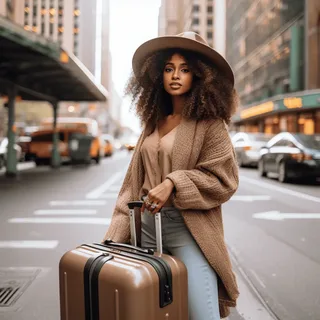
- Premium travel bags.
- Layered jewelry without excessive branding.
Why Fans Care About the Clothes as Much as the Competition
Football supporters don’t suddenly stop being interested in fashion because they’re watching sports. The same people who follow designers, celebrities, and influencers are also watching international football. Social media has simply brought those interests together.
Arrival photos also create a different type of conversation. Match results divide fans because one team wins while another loses. Fashion invites broader discussion. Supporters compare outfits, recreate affordable versions, identify brands, and share styling ideas regardless of which nation they support. That gives fashion content a much longer lifespan than a single match result.
Fashion content attracts attention because it:
- Appeals beyond football fans.
- Generates discussion without rivalry.
- Inspires everyday wardrobes.
- Highlights athletes’ personalities.
- Extends World Cup conversations beyond the pitch.
- Creates highly shareable social media content.
Street Style Is Creating New Business Opportunities
Modern athletes no longer rely solely on salaries and boot sponsorships. A strong fashion identity can open doors to industries that once focused almost exclusively on entertainers and models. Luxury campaigns, magazine covers, designer collaborations, and even personal clothing brands are becoming realistic opportunities for footballers with recognizable style.
Some players have gone even further by investing directly in fashion businesses. Others collaborate with designers on limited-edition collections or launch lifestyle brands that reflect their personal aesthetic. The World Cup provides unmatched visibility for these ventures because audiences are already paying close attention to what players wear.
Here are a few ways style creates income beyond football:
| Opportunity | Business Value |
| Luxury brand campaigns | Global exposure and endorsement deals |
| Capsule collections | Additional revenue streams |
| Magazine editorials | Stronger personal branding |
| Personal fashion labels | Long-term business ownership |
| Sneaker collaborations | Expanded fan engagement |
| Lifestyle partnerships | Income beyond playing careers |
Not Every Viral Outfit Is Expensive
One misconception about athlete fashion is that every look costs tens of thousands of dollars. While some certainly do, the internet often celebrates styling rather than price. A well-fitted jacket, quality denim, clean sneakers, and thoughtful accessories can receive just as much praise as a head-to-toe luxury outfit.
Fans appreciate confidence and originality more than obvious displays of wealth. That’s one reason many footballers have started mixing premium investment pieces with simpler wardrobe staples. The result feels more authentic and easier for supporters to relate to.
Style lessons anyone can borrow include:
- Prioritize fit before brand names.
- Build outfits around neutral basics.
- Invest in one quality jacket or coat.
- Choose timeless footwear over trendy releases.
- Keep accessories intentional rather than excessive.
- Develop a consistent personal style instead of copying others.
Fashion Is Becoming Part of Football’s Global Identity
The World Cup has always celebrated national identity through flags, anthems, and supporters. Fashion adds another layer by allowing players to express themselves as individuals while still representing their countries. It humanizes athletes in a way match statistics never could.
This evolution also reflects the changing nature of modern sport. Fans no longer interact with players only during ninety-minute matches. They follow training sessions, travel days, interviews, charity work, and personal style throughout the year. Clothing has become one more way athletes connect with audiences across cultures and generations.
As football continues to grow globally, style will likely remain part of the conversation because it gives players another way to tell their stories without saying a word.
Frequently Asked Questions
1. Why has athlete street style become so popular?
Social media, fashion partnerships, and increased media coverage have turned stadium arrivals into highly visible moments where athletes showcase their personal style.
2. Do football players choose their own World Cup outfits?
Some players style themselves, while many work with professional stylists or collaborate with luxury fashion brands for major public appearances.
3. Why are luxury brands interested in footballers?
Footballers have enormous global audiences, strong fan loyalty, and international visibility, making them valuable ambassadors for luxury fashion houses.
4. Does athlete fashion influence everyday clothing trends?
Yes. Fans frequently recreate football-inspired outfits, driving interest in sneakers, tailoring, travel wear, and luxury accessories.
5. Can fashion help an athlete’s career after retirement?
Absolutely. A recognizable personal style can lead to brand partnerships, business ventures, fashion collaborations, media opportunities, and entrepreneurial success long after an athlete leaves professional sport.
Conclusion:
The FIFA World Cup has become more than a celebration of football. It has evolved into one of the world’s biggest showcases for personal style, luxury fashion, and athlete branding. While unforgettable goals will always define the tournament, the outfits arriving at the stadium now tell stories of ambition, creativity, and business just as compelling as the action on the pitch.
Call to Action
The next time you tune into a World Cup match, pay attention before kickoff. Watch the stadium arrivals, notice the details behind each outfit, and think about the brands, partnerships, and personal stories woven into every look. Football may last ninety minutes, but great style often leaves an impression that lasts much longer.