
Fashion is going through a deep transformation where sustainability is becoming the core driver of change in the clothing industry. What once focused mainly on speed, cost, and trends is now shifting toward responsibility, environmental awareness, and long-term value creation.
Consumers today are more informed and conscious about what they wear, how it is made, and its impact on the planet. This awareness is forcing fashion brands to rethink traditional models and move toward more ethical, transparent, and sustainable practices that define the future of the industry.
Sustainable Materials Transforming Clothing Production
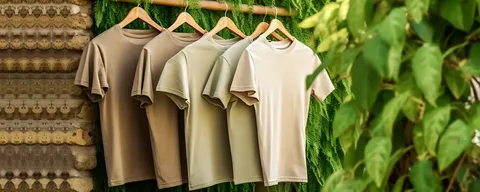
The foundation of sustainable fashion begins with materials that reduce environmental harm and improve resource efficiency. Traditional fabrics often require high water usage, chemical processing, and energy consumption, which has pushed the industry toward greener alternatives.
Modern brands are now using eco-friendly fabrics that balance quality with sustainability. These materials not only reduce environmental impact but also meet growing consumer expectations for responsible fashion choices.
Eco-Friendly Textile Innovation
New textile innovations are focused on reducing pollution while maintaining durability and comfort in clothing production.
- Organic cotton reduces chemical and water usage
- Recycled polyester helps reduce plastic waste
- Natural fibers support biodegradable fashion systems
Circular Economy Reshaping Fashion Lifecycle
The circular economy is changing how clothing is produced, used, and reused. Instead of a linear model where clothes are discarded after use, fashion is moving toward a system where products stay in circulation longer.
This shift is reducing textile waste and creating new business opportunities like resale, rental, and repair-based fashion models that extend product life cycles.
Recycling and Reuse Systems
Recycling systems allow used clothing and materials to be transformed into new products instead of becoming waste.
- Reduces textile waste in landfills
- Extends product life through reuse systems
- Supports resale and rental fashion models
Ethical Production and Supply Chain Transparency
Sustainable fashion is not only about the environment but also about human responsibility. Ethical production ensures fair wages, safe working conditions, and responsible sourcing throughout the supply chain.
Consumers are now demanding full transparency from brands, expecting them to show how and where their products are made. This is pushing companies to improve accountability and ethical standards.
Fair Labor and Transparency Systems
Transparent supply chains build trust and improve brand credibility in the market.
- Ensures safe working conditions for workers
- Promotes fair wages and ethical sourcing
- Improves visibility across production stages
Changing Consumer Behavior in Fashion
Consumer behavior is shifting toward conscious decision-making, where people prefer brands that align with their values. Price and style are no longer the only factors influencing purchase decisions.
Sustainability, ethics, and environmental impact are now key considerations for modern shoppers, especially among younger generations.
Conscious Fashion Consumption
Consumers are increasingly choosing brands that reflect responsibility and sustainability.
- Preference for eco-friendly fashion brands
- Demand for ethical production practices
- Strong loyalty toward sustainable companies
Technology Driving Sustainable Innovation
Technology is making sustainability more practical in the fashion industry. Advanced tools like AI, data analytics, and digital tracking systems are helping brands reduce waste and improve efficiency.
These innovations allow companies to forecast demand better, optimize production, and reduce unnecessary inventory, making sustainability scalable.
Smart Production Systems
Digital systems help brands improve efficiency and reduce environmental impact.
- Improves production planning accuracy
- Reduces overproduction and waste
- Enhances supply chain transparency
Sustainable Business Models in Fashion
New business models are emerging that support sustainability, including rental services, resale platforms, and made-to-order production systems.
These models reduce waste while offering customers more flexible and affordable ways to engage with fashion.
Rental and Resale Systems
Rental and resale fashion models extend product life and reduce environmental pressure.
- Reduces demand for new production
- Extends clothing lifecycle
- Creates circular revenue systems
Environmental Impact Reduction in Fashion
The fashion industry is actively working to reduce its environmental footprint by lowering carbon emissions, reducing water usage, and minimizing chemical waste.
Sustainable practices are now being adopted across global supply chains to meet both regulatory requirements and consumer expectations.
Carbon Reduction Strategies
Brands are focusing on cleaner and more efficient production systems.
- Reduces greenhouse gas emissions
- Encourages renewable energy use
- Improves eco-efficient manufacturing
Future of Sustainable Fashion Industry
Sustainability is becoming the standard framework for the fashion industry. As awareness grows and regulations tighten, sustainable practices will define how brands operate in the future.
Companies that adapt early will gain stronger trust, better efficiency, and long-term market advantage.
Industry Transformation Trends
The entire fashion system is evolving toward sustainability-driven operations.
- Sustainability becoming industry standard
- Strong global regulatory pressure
- Increasing demand for ethical fashion
Frequently Asked Questions
What is sustainable fashion?
It refers to clothing production that reduces environmental impact and ensures ethical labor practices.
Why is sustainable fashion important?
It helps protect the environment and promotes responsible use of resources.
How does sustainability affect fashion brands?
It improves brand reputation, customer loyalty, and long-term business growth.
What materials are used sustainably?
Organic cotton, recycled polyester, hemp, and biodegradable fabrics.
Is sustainable fashion the future?
Yes, it is becoming the global standard in the clothing industry.
Conclusion:
Sustainable fashion is transforming the clothing industry by changing how brands design, produce, and deliver products. It is shifting the focus from fast consumption to long-term responsibility and environmental awareness.
This transformation is also reshaping consumer expectations, as people now prefer ethical, transparent, and eco-friendly brands. As a result, sustainability is becoming a core requirement for survival and success in the fashion industry.
In the coming years, businesses that fully embrace sustainable practices will lead the market, while those that ignore this shift will struggle to stay relevant in an industry moving toward responsibility-driven growth.
The Time to Act Is Running Out for Fashion Brands
The fashion industry is already shifting at full speed toward sustainability, and the gap between leaders and followers is widening every day. What used to be optional is now becoming a strict expectation from consumers, investors, and global regulations. Brands that are still delaying change are quietly falling behind without even realizing it.
This transition is not slowing down—it is accelerating. Every season, every product cycle, and every consumer trend is now influenced by sustainability standards. Companies that ignore this shift will find themselves struggling to compete in a market that has already moved forward without them.
There is very little room left for hesitation. The brands that act now will secure their position in the future of fashion, while those that wait will be forced to react instead of lead. The industry is changing whether businesses are ready or not—the only choice left is to adapt before it becomes too late.