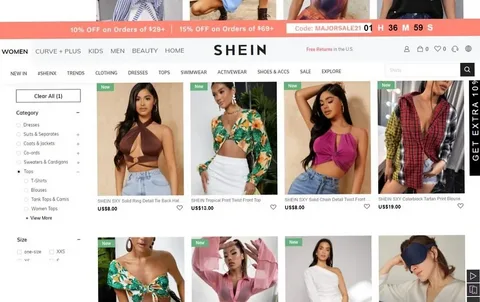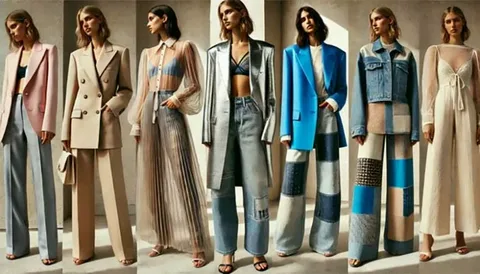


The fashion industry has always been a dynamic space where creativity meets commerce. Today, small fashion brands are no longer limited by geography or resources; instead, they have access to global audiences through digital platforms, innovative marketing tools, and evolving consumer preferences. This shift has created opportunities for emerging designers and entrepreneurs to build meaningful brands that resonate with niche audiences and stand out in a competitive marketplace.
At the same time, global labels continue to dominate through massive budgets and established influence. However, the modern consumer values authenticity, storytelling, and uniqueness more than ever before. This creates a powerful opening for small fashion businesses to carve their own identity, build loyal communities, and grow sustainably without needing to match the scale of large corporations.
Understanding the Fashion Startup Landscape
The fashion startup ecosystem is more accessible today than ever, driven by e-commerce platforms, social media, and global logistics. Small brands can now reach customers directly without relying heavily on traditional retail chains. This shift allows entrepreneurs to experiment, innovate, and connect with audiences on a personal level.
For new fashion businesses, understanding market trends and consumer behavior is essential. The ability to identify gaps in the market can define long-term success.
- Rise of direct-to-consumer (DTC) fashion models
- Increased influence of social media trends and micro-influencers
- Growing demand for sustainable and ethical fashion
The Role of Market Awareness
Market awareness helps brands identify what customers truly want and how competitors are positioning themselves. By analyzing demand patterns, small brands can position themselves strategically rather than competing blindly.
Building a Strong Brand Identity
A strong brand identity is the foundation of any successful fashion startup. It is not just about logos or color palettes but about creating a story that customers can connect with emotionally. When done right, brand identity becomes the reason customers choose you over global labels.
Small brands should focus on authenticity and clarity in messaging to build trust and recognition over time.
- Define your brand voice and visual identity
- Create a compelling origin story that connects emotionally
- Maintain consistency across all platforms and touchpoints
Emotional Branding in Fashion
Emotional branding allows customers to feel connected to a brand beyond its products. This connection often leads to higher loyalty and repeat purchases, which is critical for long-term growth.
Product Design and Differentiation
Design is where fashion brands truly shine. Small businesses have the advantage of flexibility, allowing them to experiment with unique styles, limited editions, and custom designs. This differentiation is crucial in a market flooded with mass-produced clothing.
Rather than copying global trends, successful startups often reinterpret them with a unique twist that reflects their identity.
- Focus on originality instead of mass replication
- Use limited collections to create exclusivity
- Prioritize quality over quantity in production
Innovation in Fabric and Style
Innovative use of fabrics and design techniques can set a brand apart. Whether it’s sustainable materials or cultural inspirations, innovation helps small brands build a signature style that customers remember.
Marketing Strategies for Small Fashion Brands
Marketing is the engine that drives visibility for fashion startups. Without strong marketing, even the most creative designs can go unnoticed. Small brands must rely on smart, cost-effective strategies rather than expensive campaigns.
Digital marketing, storytelling, and influencer collaborations play a vital role in building awareness and trust.
- Leverage Instagram, TikTok, and Pinterest for visual storytelling
- Collaborate with micro-influencers for targeted reach
- Use content marketing to educate and engage audiences
Building Organic Reach Through Storytelling
Storytelling helps brands communicate their journey, values, and design philosophy. This creates deeper engagement and encourages audiences to become part of the brand’s story
Leveraging Digital Platforms and E-commerce
E-commerce has revolutionized the fashion industry by eliminating barriers between brands and customers. Small fashion businesses can now operate globally without physical stores, significantly reducing overhead costs.
Digital platforms also provide valuable data insights that help brands refine their strategies and improve customer experiences.
- Use Shopify, WooCommerce, or similar platforms for online stores
- Optimize product pages for SEO and conversions
- Integrate social commerce for direct sales via social media
Importance of Data Analytics
Data analytics helps brands understand customer preferences, buying behavior, and seasonal trends. This enables smarter decision-making and better inventory management.
Managing Costs and Scaling Smartly
Financial management is one of the most important aspects of growing a fashion startup. Many businesses fail not due to lack of creativity but due to poor cost control. Strategic planning ensures sustainability and controlled growth.
Small brands should focus on scaling gradually rather than expanding too quickly.
- Control production costs through small-batch manufacturing
- Avoid overstocking and manage inventory efficiently
- Reinvest profits into marketing and product development
Smart Scaling Strategies
Scaling smartly involves expanding step by step, testing markets before full investment, and ensuring that demand supports growth. This reduces risk and increases long-term stability.
Building Customer Loyalty and Community
Customer loyalty is one of the strongest assets a fashion brand can have. Instead of focusing only on acquiring new customers, successful brands invest in building long-term relationships with existing ones.
Communities built around fashion brands often become powerful marketing engines themselves.
- Offer personalized experiences and rewards programs
- Engage customers through social media interactions
- Create exclusive drops or early access collections
Turning Customers into Brand Advocates
When customers feel valued, they naturally promote the brand to others. Word-of-mouth marketing becomes a powerful tool that can outperform traditional advertising
FAQs
1. How can small fashion brands compete with global labels?
Small fashion brands can compete by focusing on niche markets, storytelling, unique designs, and strong digital marketing strategies instead of mass production.
2. What is the biggest challenge for fashion startups?
The biggest challenge is building visibility and trust in a crowded market while managing limited resources effectively.
3. How important is social media for fashion brands?
Social media is extremely important as it helps brands showcase products, engage with audiences, and drive direct sales through visual storytelling.
4. Can small fashion brands scale globally?
Yes, with the right e-commerce setup, branding, and marketing strategy, small fashion brands can reach and sell to global audiences.
5. What role does sustainability play in modern fashion?
Sustainability is increasingly important as consumers prefer eco-friendly, ethical, and responsible fashion choices, influencing buying decisions.
Conclusion:
The journey from a small fashion startup to a successful global competitor is built on creativity, consistency, and strategic execution. While global labels dominate through scale, small brands win through authenticity, innovation, and personal connection with their audience. By focusing on strong branding, smart marketing, and customer engagement, emerging fashion businesses can build a meaningful presence in the industry.
Success in fashion is not just about following trends but about creating them. When brands understand their identity and stay committed to their vision, they can grow steadily and establish themselves in even the most competitive markets
Why Now Is the Best Time to Build a Fashion Brand
The fashion industry is evolving faster than ever, and the gap between emerging brands and established labels is narrowing. Digital platforms, shifting consumer behavior, and demand for unique identities have created a rare opportunity for new fashion entrepreneurs to establish themselves with relatively low barriers.
Brands that act early and strategically are the ones that secure loyal audiences before the market becomes even more saturated. Waiting too long often means entering an already crowded space where differentiation becomes harder, and marketing costs increase significantly.
- Early entry allows stronger brand positioning in niche markets
- Digital-first brands can scale faster with lower investment
- Consumer demand for unique, story-driven fashion is continuously growing
As the industry continues to evolve, the ability to adapt quickly, stay consistent, and build meaningful customer relationships will determine which brands thrive and which fade away.