
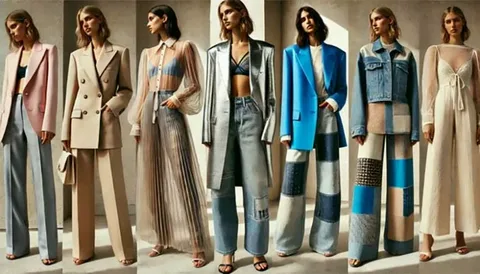
Fashion is no longer operating on traditional timelines of seasonal launches and predictable retail cycles. It is evolving into a fast-moving ecosystem shaped by data, digital behavior, sustainability demands, and technological innovation. The next five years will redefine how fashion brands create value and how consumers interact with style.
This transformation is being driven by a deeper shift in expectations. Customers now want personalization, transparency, speed, and immersive experiences. Brands that fail to evolve with these expectations will struggle to stay relevant, while those that adapt will lead the next era of global fashion business.
Artificial Intelligence Transforming Fashion Design and Forecasting
Artificial intelligence is revolutionizing how fashion brands design, predict, and produce collections. Instead of relying only on intuition or past seasonal performance, companies are now analyzing real-time data from consumer behavior, social platforms, and global trend movements. This allows brands to make more accurate decisions and respond faster to changing demand.
AI is also reshaping production planning by reducing overstock and minimizing waste. Designers can now focus more on creativity while AI handles forecasting, pattern recognition, and demand prediction. This balance between creativity and data is creating a more efficient and responsive fashion industry.
AI-Powered Trend Prediction Systems
AI systems analyze massive datasets to identify patterns in consumer behavior and predict upcoming fashion movements before they fully emerge.
This helps brands stay ahead of competition by aligning designs with real demand rather than guesswork.
- Identifies emerging trends using real-time behavioral data
- Reduces production waste through accurate forecasting
- Supports designers with data-driven creative direction
Sustainability and the Rise of Circular Fashion Models
Sustainability has moved from being a marketing advantage to a core business requirement. Consumers are now actively choosing brands that demonstrate environmental responsibility, ethical sourcing, and reduced waste practices. This shift is forcing fashion companies to rethink how they design, produce, and distribute products.
Circular fashion models are becoming increasingly important as they focus on extending product life cycles and reducing environmental impact. This includes recycling materials, resale systems, and sustainable production methods that minimize waste while maintaining profitability.
Circular Economy in Fashion Production
The circular economy model in fashion focuses on reusing materials and extending the lifespan of garments instead of relying on single-use production cycles.
This approach is reshaping how brands think about value creation and long-term sustainability.
- Promotes recycling and reuse of textiles
- Reduces environmental impact of mass production
- Encourages resale and product lifecycle extension
Social Commerce and Influencer-Driven Fashion Growth
Social platforms have evolved into powerful shopping ecosystems where discovery, engagement, and purchase happen in one place. Customers are no longer just influenced by advertisements—they are influenced by creators, influencers, and peer-driven content.
Influencers play a key role in shaping fashion trends by building trust and driving visibility. Their ability to connect emotionally with audiences makes them powerful marketing partners for brands looking to increase reach and conversion.
Influencer Ecosystems and Buying Behavior
Influencers act as trusted intermediaries between brands and consumers, shaping perception and accelerating purchase decisions.
Their impact is especially strong in trend-driven industries like fashion.
- Builds instant credibility for fashion products
- Increases conversion through social validation
- Accelerates trend adoption across audiences
Digital Fashion and Virtual Shopping Experiences
Digital transformation is reshaping how customers interact with fashion brands online. Virtual try-ons, augmented reality tools, and digital fashion environments are making online shopping more immersive and interactive than ever before.
These technologies reduce uncertainty in purchasing decisions by allowing customers to visualize products more accurately. As a result, confidence in online shopping increases while return rates decrease.
Virtual Try-Ons and Immersive Retail
Virtual try-on systems allow customers to see how clothing will look on them using augmented reality and digital simulation tools.
This improves the shopping experience by making it more interactive and realistic.
- Increases confidence in online purchases
- Reduces product return rates significantly
- Enhances engagement through immersive experiences
Personalization and On-Demand Fashion Manufacturing
Personalization is becoming a defining expectation in modern fashion consumption. Customers increasingly want products that reflect their individuality, including style preferences, fit, and design choices. This is pushing brands toward more flexible production systems.
On-demand manufacturing supports this shift by producing items only after an order is placed. This reduces waste, improves efficiency, and allows for greater customization, making fashion more customer-centric than ever before.
Custom Production and Consumer Control
On-demand systems give customers more influence over how their products are created, leading to stronger emotional attachment.
This shift is changing fashion from mass production to individual expression.
- Reduces overproduction and inventory waste
- Enables product customization and personalization
- Strengthens emotional connection with customers
Data-Driven Retail and Omnichannel Integration
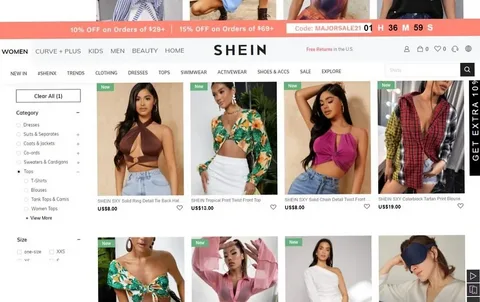
Fashion retail is becoming increasingly data-driven, allowing brands to make smarter decisions based on real customer behavior. At the same time, consumers expect seamless experiences across online platforms, mobile apps, and physical stores.
Omnichannel integration ensures that customers can move effortlessly between different shopping environments without losing continuity. This unified experience is now essential for maintaining brand relevance and customer satisfaction.
Unified Customer Experience Across Channels
Omnichannel systems connect all touchpoints into a single consistent shopping journey for customers.
This improves convenience while strengthening brand trust and engagement.
- Connects online and offline shopping experiences
- Improves accessibility and convenience
- Ensures consistent brand interaction everywhere
Direct-to-Consumer Models Reshaping Brand Power
Direct-to-consumer models are transforming the fashion industry by removing intermediaries and allowing brands to communicate directly with customers. This shift gives companies greater control over pricing, branding, and customer relationships.
It also provides access to valuable customer data, which can be used to improve personalization, marketing strategies, and product development. As a result, many fashion brands are transitioning toward this model for long-term growth.
Brand Control and Customer Relationship Building
Direct communication between brands and customers creates stronger trust and more meaningful engagement.
This approach strengthens both loyalty and profitability.
- Removes dependency on third-party retailers
- Provides direct access to customer insights
- Builds stronger long-term relationships
The Future Landscape of Fashion Business Evolution
The fashion industry is undergoing rapid transformation driven by technology, sustainability, and changing consumer expectations. Success will depend on how quickly brands adapt to these shifts and integrate them into their core strategies.
In the coming years, fashion businesses that combine innovation with customer understanding will lead the industry. Those that resist change will find it increasingly difficult to compete in a market that rewards speed, relevance, and personalization.
Strategic Adaptation for Long-Term Growth
Long-term success depends on continuous adaptation and willingness to embrace innovation at every level of the business.
Flexibility and customer focus will define future leaders in fashion.
- Early adoption of innovation builds an advantage.
- Flexible systems ensure long-term resilience
- Customer-centric strategies drive sustainable growth
Frequently Asked Questions
1. How will AI change the fashion industry in the next five years?
AI will improve trend prediction, reduce waste, and help brands design collections based on real-time consumer data.
2. Why is sustainability becoming so important in fashion?
Because consumers and regulations now demand ethical production, reduced waste, and environmentally responsible practices.
3. What is social commerce in fashion?
It is the integration of shopping features into social media platforms where users can discover and buy products directly.
4. How does personalization impact fashion sales?
Personalization increases customer satisfaction by offering tailored products, improving loyalty and repeat purchases.
5. What is direct-to-consumer fashion?
It is a business model where brands sell directly to customers without intermediaries, improving control and margins.
Conclusion:
The fashion industry is entering a transformative era where technology, sustainability, and consumer behavior are reshaping every aspect of business. Traditional models are being replaced by faster, smarter, and more customer-focused systems that rely heavily on data, digital platforms, and innovation. Brands that understand and adapt to these shifts are positioning themselves for long-term relevance in a highly competitive global market.
At the same time, consumer expectations are evolving rapidly. Customers now demand personalization, transparency, and meaningful experiences rather than just products. This shift is pushing fashion businesses to rethink how they design, market, and deliver value. The companies that successfully integrate emotional intelligence with technological advancement will define the next stage of industry leadership.
Ultimately, the future of fashion will be shaped by adaptability. Businesses that embrace change, invest in innovation, and align with consumer values will not only survive but thrive in the next five years and beyond.
Urgency Demanding Immediate Strategic Transformation
The fashion industry is evolving at a pace that leaves little room for delay. Consumer expectations are rising rapidly, shaped by digital experiences, sustainability awareness, and personalized engagement. Brands that fail to respond quickly risk losing relevance in an increasingly competitive global market.
Every trend shaping the next five years points toward a fundamental shift in how fashion operates. Technology, data, and emotional connection are no longer optional—they are essential pillars of success. Businesses that recognize and act on these shifts now will secure stronger positioning in the future.
The opportunity lies in immediate transformation. Brands that take decisive action today will define the next era of fashion, while those that hesitate will struggle to catch up in an industry that rewards speed, innovation, and adaptability.