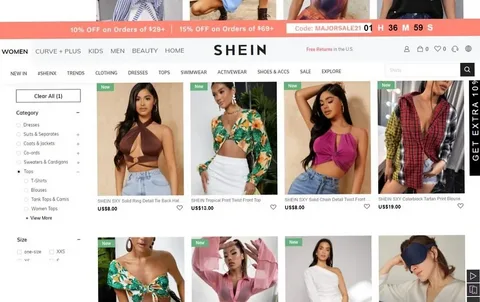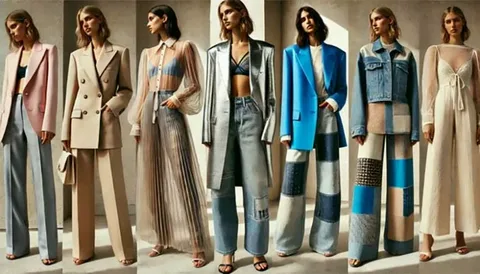


Fashion is far more than fabric, stitching, or seasonal trends. It is a deeply psychological system where identity, emotion, and perception merge to shape every buying decision. People rarely purchase clothing purely for function—instead, they respond to internal motivations tied to confidence, belonging, and self-expression.
Successful fashion brands understand this emotional complexity. They don’t just sell garments; they sell meaning. Every campaign, design, and visual identity is engineered to align with how customers think, feel, and want to be perceived in society.
The Emotional Drivers Behind Fashion Purchases
Emotions are the strongest force behind fashion consumption, often outweighing logic or necessity. Customers frequently choose outfits based on how they want to feel in a specific moment—confident, powerful, attractive, or socially accepted. This emotional decision-making is what allows fashion brands to move beyond products and into personal identity creation.
Modern fashion companies invest heavily in understanding emotional triggers because they directly influence conversion and loyalty. When customers emotionally connect with a brand, the purchase becomes less about price and more about meaning and self-expression. Over time, this emotional bond transforms occasional buyers into long-term brand advocates who return not just for clothing but for the feeling the brand provides.
Emotional Branding in Fashion Experience
Emotional branding strengthens the relationship between customers and fashion brands by linking products with personal identity and lifestyle aspirations.
This strategy works because it transforms clothing into a psychological symbol rather than a physical object. Customers begin associating brands with emotional states, such as confidence or belonging, which increases attachment.
- Emotional alignment increases long-term brand loyalty
- Fashion becomes part of identity rather than just utility
- Positive emotional association improves repeat purchase behavior
Social Influence and Status Signaling
Fashion operates as a social language where clothing communicates status, personality, and belonging. People use fashion to signal who they are or who they want to become within their social environment. This makes fashion inherently tied to social psychology and group behavior.
In modern culture, especially with the rise of digital platforms, social influence has become even more powerful. Customers constantly observe what others are wearing, what influencers promote, and what trends are gaining traction. These signals heavily influence perception of desirability and value. As a result, fashion brands that successfully position themselves within social conversations gain faster recognition and stronger demand.
Social Proof and Public Perception
Social proof is a psychological mechanism where people look to others to validate their decisions, especially in uncertain situations.
In fashion, this means customers are more likely to trust and purchase items that appear popular or widely accepted. Visibility creates credibility, and credibility drives conversion.
- Influencers shape trend adoption and product demand
- Customer reviews increase trust in brand quality
- Viral trends accelerate mass consumer adoption
Color Psychology and Visual Impact in Fashion
Color is one of the fastest and most powerful psychological signals in fashion branding. Before a customer reads a product description or evaluates price, color already begins shaping emotional interpretation. Brands use color strategically to communicate identity, mood, and positioning without words.
This visual psychology plays a critical role in marketing and product design. The same outfit can feel luxurious, playful, or professional depending entirely on its color scheme. Successful fashion brands carefully curate palettes to align with target emotions and customer expectations. Over time, consistent color usage becomes part of brand recognition itself, reinforcing memory and identity in the consumer’s mind.
Emotional Meaning of Colors in Fashion
Color associations directly influence how customers perceive value, emotion, and brand personality.
These associations are deeply embedded in human psychology and cultural conditioning, making them extremely effective in shaping buying behavior.
- Black communicates luxury, authority, and exclusivity
- White reflects simplicity, clarity, and minimalism
- Bright tones evoke energy, youthfulness, and excitement
Brand Identity and Long-Term Consumer Trust
Brand identity is the structural foundation of customer trust in fashion. It determines how customers recognize a brand, what they associate it with, and whether they feel confident purchasing from it. Without a clear identity, even well-designed products fail to build consistent demand.
Strong fashion brands invest heavily in creating a unified identity across all touchpoints, including packaging, advertising, website design, and customer service. This consistency reduces uncertainty in the customer’s mind. When people feel familiar with a brand, they perceive it as more reliable, which significantly increases purchase likelihood and long-term loyalty.
Consistency in Brand Experience
Consistency reinforces familiarity, and familiarity is a key driver of trust in consumer psychology.
Every interaction with the brand strengthens or weakens perception. When messaging and experience align, customers feel more secure in their decisions.
- Consistent visuals increase brand recognition
- Stable messaging builds emotional reliability
- Predictable quality strengthens customer confidence
Pricing Psychology and Perceived Value
Pricing in fashion is not purely economic—it is psychological. Customers interpret price as a signal of quality, exclusivity, and brand positioning. This means that pricing decisions directly influence how a brand is perceived in the market.
Fashion brands carefully design pricing strategies to shape customer expectations. Luxury brands use high prices to create exclusivity, while mid-range brands balance affordability with perceived quality. Discounts, anchoring, and premium pricing all work as psychological tools that guide decision-making. The goal is not just to sell but to shape perception of value in the customer’s mind.
Anchoring and Perceived Exclusivity
Anchoring affects how customers evaluate value by establishing an initial reference point.
Once a high price is seen first, all subsequent prices appear more reasonable. This strategy is widely used in fashion marketing to influence purchasing decisions.
- High pricing signals exclusivity and premium status
- Discounts create urgency and emotional motivation
- Scarcity increases perceived product value
Storytelling and Emotional Connection in Fashion Marketing
Storytelling transforms fashion from a physical product into a meaningful experience. Instead of focusing only on design features, brands create narratives that connect emotionally with customers. These stories often reflect lifestyle, aspiration, culture, or heritage.
When storytelling is strong, customers feel part of something larger than themselves. This emotional inclusion increases brand attachment and strengthens long-term loyalty. Fashion becomes not just something people wear but something they believe in and identify with.
Building Narrative Identity in Branding
Narrative identity allows customers to see themselves within a brand’s story.
This creates emotional depth and strengthens the relationship between brand and consumer over time.
- Storytelling enhances emotional engagement
- Brand heritage increases authenticity perception
- Lifestyle narratives improve customer connection
Digital Experience and Customer Journey in Fashion
Digital experience has become a core factor in modern fashion purchasing behavior. Customers now interact with brands primarily through websites, apps, and social media platforms. This makes user experience a critical psychological factor in conversion.
A smooth, visually appealing, and intuitive digital journey reduces friction and increases trust. If a website feels confusing or slow, customers are more likely to abandon their purchase. On the other hand, seamless navigation and personalization create a sense of ease and control, encouraging customers to complete transactions.
User Experience and Buying Behavior
User experience design directly influences how customers feel during the shopping process.
Positive digital interactions increase satisfaction and reduce hesitation, leading to higher conversion rates.
- Simple navigation improves decision-making confidence
- Personalization increases engagement and relevance
- Fast performance enhances trust and credibility
Fashion Psychology and Business Growth Strategy
Fashion psychology provides essential insights into how customers think and behave. These insights allow brands to design better products, improve marketing strategies, and build stronger emotional connections with their audience.
By understanding psychological patterns, businesses can predict behavior more accurately and create strategies that align with real consumer motivations. This leads to stronger engagement, better retention, and increased profitability over time.
Behavioral Triggers in Fashion Decision-Making
Behavioral triggers are subconscious influences that shape purchasing decisions without rational analysis.
These triggers operate automatically, guiding customers toward certain choices based on emotional and cognitive cues.
- Scarcity increases urgency and quick decision-making
- Familiarity builds comfort and reduces risk perception
- Visual appeal creates instant emotional attraction
Understanding Consumer Behavior in Fashion Markets
Consumer behavior in fashion is shaped by emotional, social, and cultural influences that interact in complex ways. Every purchase reflects a combination of internal desires and external pressures.
Brands that understand these behavioral patterns can create more effective marketing strategies and product designs. Instead of guessing customer preferences, they can use psychological insights to anticipate needs and deliver more relevant experiences.
Psychological Triggers in Buying Decisions
Psychological triggers are subtle cues that influence how customers interpret value and make choices.
These triggers often work below conscious awareness but have a powerful impact on final decisions.
- Familiar brands reduce perceived risk
- Emotional imagery increases engagement
- Trend visibility influences urgency
The Future of Fashion Psychology in Branding
The future of fashion will be increasingly shaped by psychological insights combined with advanced technology. Artificial intelligence, behavioral analytics, and personalization tools will allow brands to understand customers at a deeper level than ever before.
As fashion becomes more data-driven, emotional intelligence will remain central. Brands that combine technology with human psychology will be able to create highly personalized experiences that feel intuitive and emotionally relevant.
Personalization and Emotional AI
AI-driven personalization will transform how fashion brands interact with customers.
By analyzing behavior patterns, brands will be able to predict preferences and deliver tailored recommendations.
- AI enables highly personalized shopping experiences
- Predictive systems improve product relevance
- Emotional targeting enhances engagement and loyalty
FAQs
1. Why do people buy fashion items emotionally instead of logically?
Because fashion is tied to identity, confidence, and self-expression, emotions often override practical reasoning in buying decisions.
2. How does social media influence fashion purchases?
Social media creates exposure to trends, influencers, and peer validation, which increases desire and trust in products.
3. Why is color important in fashion branding?
Color instantly communicates mood and brand personality, shaping how customers perceive value and style.
4. What makes storytelling effective in fashion marketing?
It connects products to emotions and lifestyle meanings, making customers feel personally involved with the brand.
5. How does pricing affect customer psychology in fashion?
Pricing signals quality and exclusivity, influencing how valuable and desirable a product feels.
Conclusion:
Fashion is deeply rooted in psychology, where every purchase decision is influenced by emotions, social identity, and perception of value. Customers are not just buying clothing; they are responding to feelings of confidence, belonging, and self-expression. Successful fashion brands understand this inner behavior and design their strategies around emotional connection, visual appeal, and storytelling rather than just product features.
In a highly competitive and fast-moving industry, understanding consumer psychology is what separates average brands from iconic ones. When brands align their identity with customer emotions and expectations, they create lasting relationships that go beyond transactions. This psychological alignment builds loyalty, strengthens brand perception, and ensures long-term relevance in the evolving fashion market.
Urgency to Adapt in a Rapidly Evolving Fashion Market
The fashion industry is shifting faster than ever, and brands that fail to understand psychological buying behavior risk becoming irrelevant. Customers now expect more than products—they expect emotional connection, personalization, and meaningful experiences.
Brands that adapt to these expectations will gain a significant competitive advantage. Those that ignore psychological principles will struggle to maintain attention in an increasingly saturated market.
The opportunity is clear: understanding how customers think is no longer optional. It is the foundation of survival in the modern fashion business.