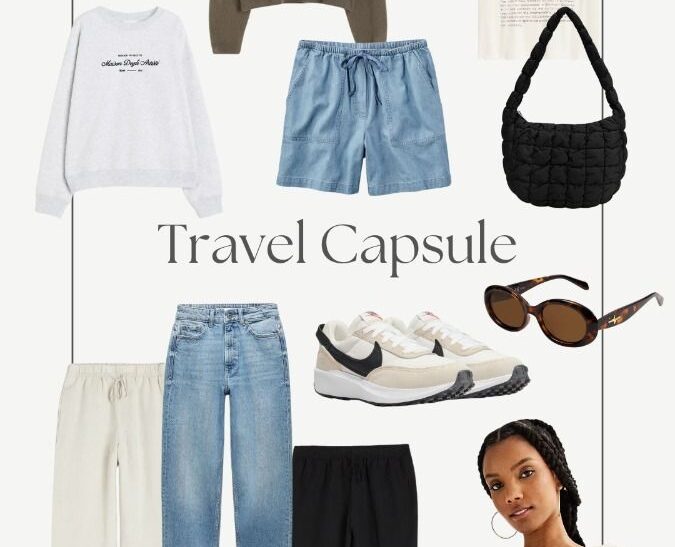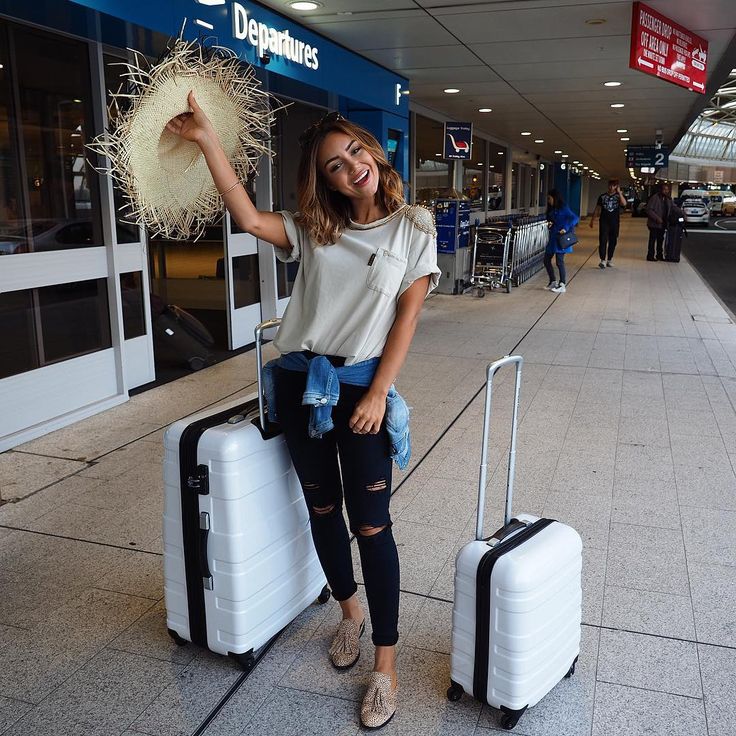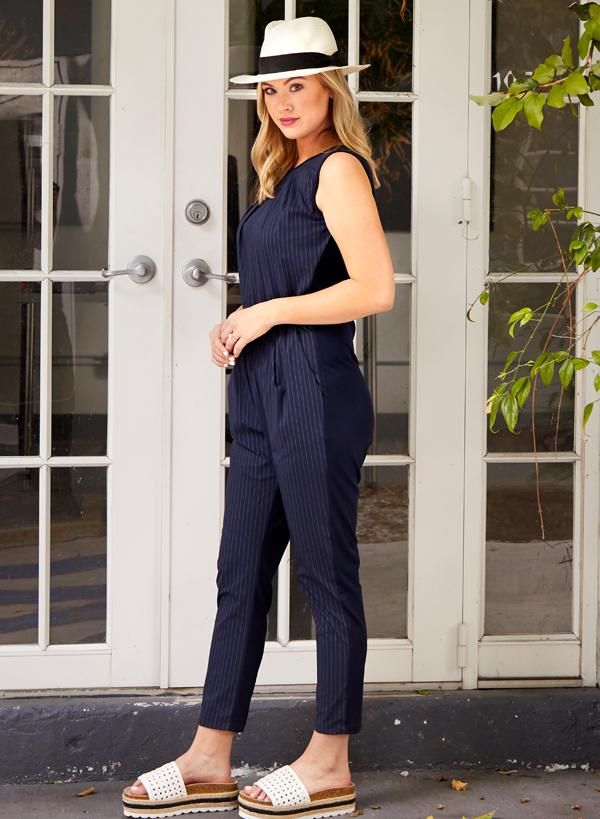

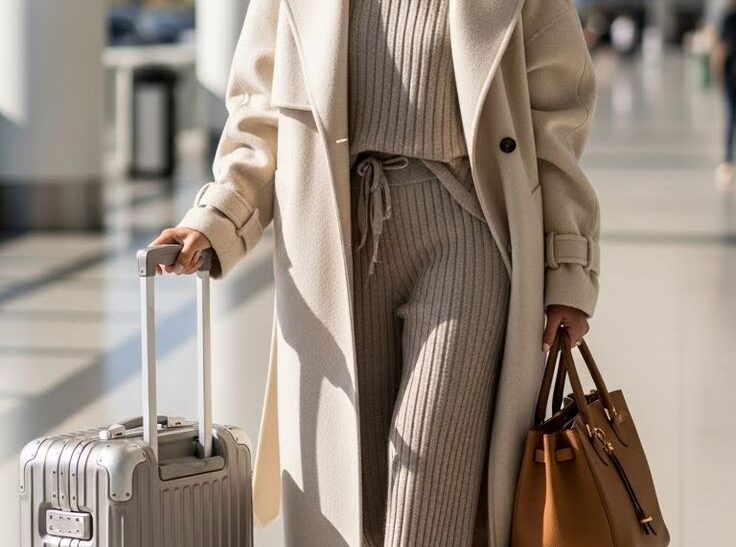
Travel today is about movement, flexibility, and comfort without losing personal style. The clothes you pack can completely shape how enjoyable your journey feels, especially when you are moving between different climates, transportation modes, and daily activities. Fabric choice becomes the silent factor that determines whether you feel fresh or fatigued during travel days.
From long-haul flights to walking tours and outdoor adventures, the right materials help your body adapt naturally to temperature changes. Understanding fabric behavior allows you to build a wardrobe that works across destinations, reduces packing stress, and keeps you looking presentable without constant maintenance.
Natural Fibers for Breathable Everyday Travel Comfort
Natural fibers are often the foundation of a comfortable travel wardrobe because they allow airflow and reduce heat buildup. These fabrics feel soft on the skin and are ideal for long wear during sightseeing or relaxed travel days when comfort is the priority.
They also help regulate temperature naturally, making them suitable for destinations with moderate to warm climates. Their biggest advantage is simplicity—easy to wear, easy to style, and easy to maintain.
- Cotton provides softness and daily comfort for casual outfits
- Linen enhances airflow and keeps the body cool in heat
- Bamboo fabric offers a smooth texture with natural freshness
Why Natural Fibers Feel Better During Long Travel Days
Natural fibers interact gently with your skin, which is important when you are seated for long hours or walking extensively. Unlike heavily processed materials, they reduce irritation and allow your body to breathe more freely, especially in humid environments.
When traveling across cities or spending time outdoors, comfort becomes more noticeable over style. Natural fabrics strike that balance by keeping your outfit simple yet effective in maintaining freshness throughout the day.
Merino Wool for Year-Round Travel Flexibility
Merino wool stands out as one of the most versatile travel fabrics because it adapts to both warm and cold conditions. Unlike traditional wool, it is lightweight, soft, and comfortable against the skin, making it suitable even for extended wear.
It is especially useful for travelers who move between climates or want to pack fewer clothing items without sacrificing comfort or performance.
- Maintains temperature balance in both heat and cold
- Naturally resists odor even after multiple wears
- Lightweight structure makes packing easier and more efficient
How Merino Wool Supports Smart Packing Choices
One of the biggest advantages of merino wool is its ability to reduce the number of clothing items you need to carry. A single piece can be worn multiple times without developing odor, which makes it ideal for long trips.
It also folds compactly and recovers shape easily, helping travelers maintain a neat appearance without overpacking. This makes it a strong foundation fabric for minimalist travel wardrobes.
Synthetic Performance Fabrics for Active Travel Lifestyles
Synthetic fabrics are engineered for durability and movement, making them perfect for travelers who engage in outdoor activities or long active days. Materials like polyester and nylon are designed to handle stress, motion, and frequent use without losing structure.
They are widely used in travel clothing because they balance comfort with technical performance, especially for unpredictable environments.
- Strong durability for long-term travel use
- Flexible stretch for active movement and comfort
- Quick moisture control for active situations
Why Performance Fabrics Work Well for Adventure Travel
When traveling involves hiking, walking, or exploring rugged environments, clothing needs to support physical activity. Synthetic fabrics help reduce restriction and improve mobility, allowing travelers to move freely without discomfort.
They also dry quickly after exposure to sweat or rain, making them ideal for fast-changing weather conditions and outdoor exploration.
Moisture-Wicking Fabrics for Staying Fresh on the Move
Moisture-wicking technology is designed to pull sweat away from the skin and spread it across the fabric surface for faster evaporation. This keeps the body dry and prevents discomfort during long travel days or warm climates.
These fabrics are especially useful when walking long distances or spending time in humid environments where sweat buildup is unavoidable.
- Keeps skin dry during long physical activity
- Prevents heavy, sticky clothing discomfort
- Improves freshness during extended wear
The Science Behind Moisture Control in Travel Clothing
Moisture-wicking fabrics rely on fiber structure rather than just material type. The design encourages sweat to move outward instead of remaining trapped against the skin. This helps regulate body temperature and prevents overheating during active travel.
For travelers, this means more comfort and less need for frequent clothing changes, especially during busy itineraries or long sightseeing days.
Wrinkle-Resistant Fabrics for Effortless Travel Appearance
Wrinkle-resistant fabrics help maintain a clean, polished look even after being packed tightly in luggage. This makes them ideal for business travel, formal events, or situations where appearance matters without access to ironing facilities.
They save time and effort while ensuring travelers always look organized and presentable.
- Maintains smooth appearance after packing
- Reduces need for ironing during travel
- Ideal for professional or formal outfits
Why Wrinkle Resistance Matters More Than You Think
When traveling, clothes are often folded, compressed, and moved frequently. This leads to creasing in most fabrics. Wrinkle-resistant materials solve this issue by maintaining structure, helping travelers avoid the stress of last-minute ironing.
This feature becomes especially valuable during tight schedules where presentation and time both matter.
Lightweight and Quick-Dry Fabrics for Efficient Packing
Lightweight fabrics make travel easier by reducing luggage weight and increasing mobility. Quick-dry properties further enhance convenience by allowing clothes to be washed and reused in a short time frame.
These fabrics are essential for travelers who prefer minimal packing and flexible clothing options.
- Reduces luggage burden significantly
- Dries quickly after washing or rain exposure
- Supports repeat wear during short trips
How Quick-Dry Clothing Changes Travel Convenience
Quick-dry fabrics allow travelers to wash clothing in hotel rooms or sinks and reuse them within hours. This reduces dependency on large luggage and helps maintain freshness without carrying excess outfits.
It is especially useful for long trips where laundry access is limited or unpredictable.
Choosing the Right Fabrics for Different Travel Climates
Different destinations require different fabric strategies. Hot climates demand breathable materials, while cold regions require insulation and warmth. Mixed climates require adaptable layering systems.
Understanding this helps travelers avoid discomfort and overpacking.
- Hot weather: cotton, linen, moisture-wicking blends
- Cold weather: merino wool, thermal synthetics
- Mixed conditions: layered versatile fabrics
Building a Climate-Adaptive Travel Wardrobe
A smart travel wardrobe is built on flexibility. Instead of packing many items, choosing multi-purpose fabrics allows you to adjust to weather changes easily. Layering becomes the key strategy for maintaining comfort across unpredictable environments.
This approach also reduces luggage weight while increasing outfit versatility, making travel smoother and more organized
FAQs
What is the most comfortable fabric for long flights?
Cotton and merino wool are among the best options because they offer softness, breathability, and temperature control during long sitting hours.
Are synthetic fabrics good for daily travel wear?
Yes, synthetic fabrics like polyester blends are durable, lightweight, and quick-drying, making them ideal for active travel days.
Which fabrics should I avoid when traveling?
Heavy, non-breathable fabrics that retain heat and moisture should generally be avoided, especially in warm climates or long journeys.
How many clothing fabrics should I mix for travel?
A balanced travel wardrobe usually includes natural fibers, performance synthetics, and at least one temperature-regulating fabric like merino wool.
Do wrinkle-resistant fabrics really work?
Yes, they help reduce creasing significantly, especially when clothes are packed tightly or used during long travel days.
Conclusion:
Choosing the right travel fabrics is not just about comfort—it directly impacts how efficiently and confidently you move through different environments. From breathable natural fibers to high-performance synthetics, each material plays a unique role in building a versatile travel wardrobe. Understanding these differences allows you to dress smarter, pack lighter, and adapt easily to changing climates without stress.
The key is to balance style with function. A well-planned travel wardrobe blends softness, durability, and adaptability so you are prepared for anything your journey brings. When you combine these fabric choices thoughtfully, every trip becomes more comfortable and enjoyable, no matter the destination.
Travel Smarter Before Your Next Journey Begins Now
The way you choose your travel clothing can shape your entire experience on the road. Fabrics influence comfort, mobility, freshness, and even confidence as you move through different environments. Making thoughtful choices before you pack helps you avoid unnecessary stress during your journey.
Instead of overpacking, focus on selecting versatile materials that adapt to multiple climates and activities. When your clothing works with you rather than against you, travel becomes lighter, smoother, and far more enjoyable.